
Can a Sauna and Cold Plunge Improve Sleep Quality and Mood? Here's What the Research Says
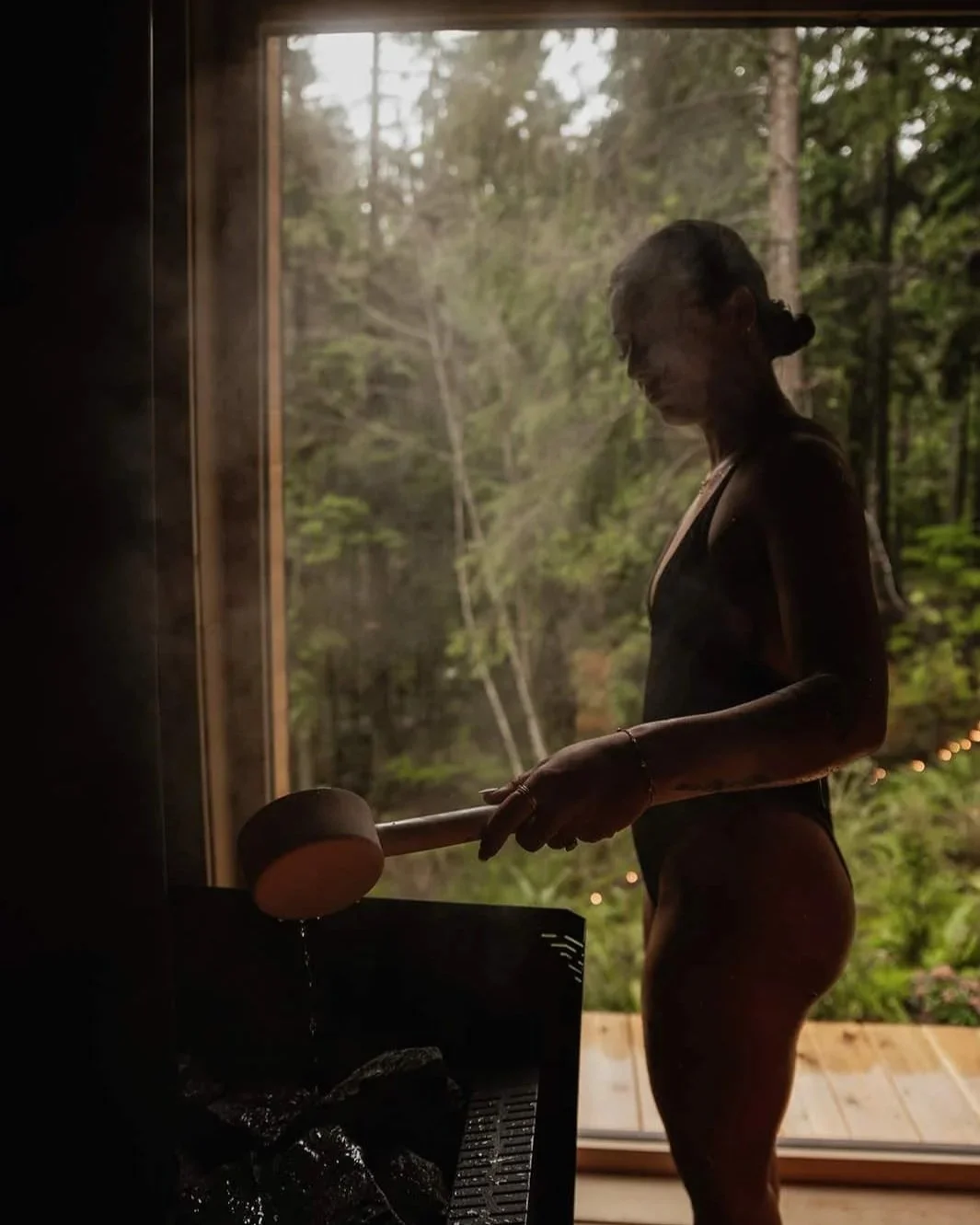
Core body temperature and sleep onset are more closely connected than most people realize. In the hours before sleep, the body begins to cool, and that cooling is a biological signal the brain is waiting for. A wood-fired sauna followed by cold immersion accelerates that process in ways that most sleep interventions do not reach.
This is the mechanism behind contrast therapy, and it is also why the setting matters. At Mist Thermal Sanctuary on Bowen Island, located next to its sister company Nectar Yoga Retreat, the sauna and cold plunge circuit sits within a coastal forest that begins its work on the nervous system by the time you reach the check-in, having walked up from the parking area through a winding set of steps along the forest trail. Thermal cycling and nature immersion in sequence produce an outcome that neither delivers on its own.
How Sauna and Cold Plunge Affect the Body
Heat exposure in a wood-fired sauna raises core body temperature and triggers vasodilation (the widening of blood vessels, moving blood toward the skin's surface). Blood moves toward the skin's surface, circulation improves, and muscles begin releasing the tension they have been holding. Though relaxing, the body is actually working in the sauna, and that work has a beneficial outcome.
Cold immersion, produces the opposite response. Vasoconstriction (the narrowing of blood vessels, redirecting blood back toward the core organs) from the shock of the cold water activates the sympathetic nervous system in a short, sharp burst. Noradrenaline is released, a neurotransmitter associated with mood, alertness, and motivation. Research on cold water immersion has documented a 20-second cold immersion has been shown to increase noradrenaline by 200 to 300 percent. An hour-long session at a slightly warmer temperature produced a 530 percent increase. The figure is significant enough to explain why people who sauna and cold plunge regularly report mood effects that go beyond simple invigoration.
Alternating between these two states, the expanding heat and the sharpening cold, creates what researchers describe as cardiovascular conditioning. The body becomes more capable of regulating its own temperature, circulation, and nervous system response over time. This is the core mechanism behind contrast therapy benefits, and it is one the body learns to carry beyond the session itself.
Contrast Therapy Benefits for Sleep
The body's evening temperature drop is the signal for the body to prepare for sleep, and heat exposure works directly with it. A sauna session prompts the body to shed heat in the hours that follow, and that accelerated cooling brings sleep onset forward. Published research found that passive body heating improved both subjective sleep quality and slow-wave sleep, the deep, restorative phase associated with physical recovery and memory consolidation. Research suggests that timed in the late afternoon or early evening, the circuit may shorten sleep onset and support deeper sleep.
For people whose sleep is disrupted by elevated evening cortisol, a pattern common in high-output professionals, caregivers, and anyone navigating a sustained period of stress, contrast therapy offers something more focused as heat reduces cortisol. Coupled with cold exposure, which sharpens alertness briefly, moving through two or three full hot-cold cycles brings the nervous system through a complete arc from activation to recovery, and the body arrives at the end of the evening better prepared for sleep.
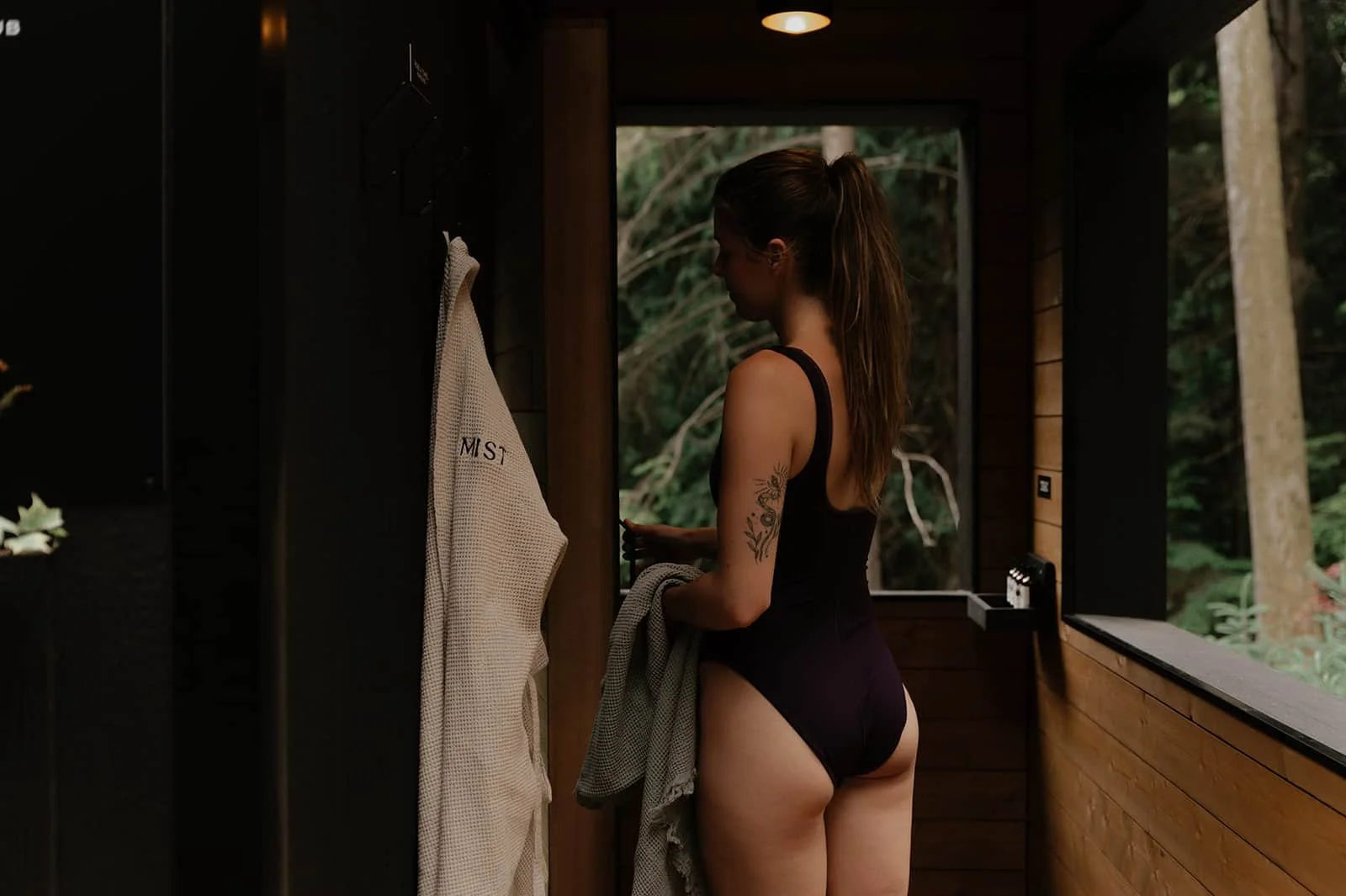
Cold Plunge Mood Regulation: The Research
The relationship between cold water immersion and mood has become better understood in recent years. The noradrenaline released during cold exposure has documented antidepressant properties, and several case studies and small clinical trials have recorded significant mood improvement in people with treatment-resistant depression following regular cold water immersion.
Cold plunge mood regulation works partly through the vagus nerve, which runs from the brain stem through the neck and into the chest and abdomen. Research suggests cold plunge mood regulation may work partly through the vagus nerve, and cold water applied to the face and neck, as it is during immersion, has been identified in studies as one of the more direct ways to stimulate vagal tone over time.
Beyond the neurochemistry, there is something worth naming about the experience itself. The cold plunge, much like meditation, is about (constructively) overriding the instinct to retreat. Choosing to stay, breath by breath, builds a specific kind of steadiness. The calm and confidence that comes from doing this repeatedly is less about achievement and more about the body learning, through direct experience, that it can move through discomfort and arrive somewhere better on the other side.
Cold Enough: Why Extreme Temperatures Are Not Required
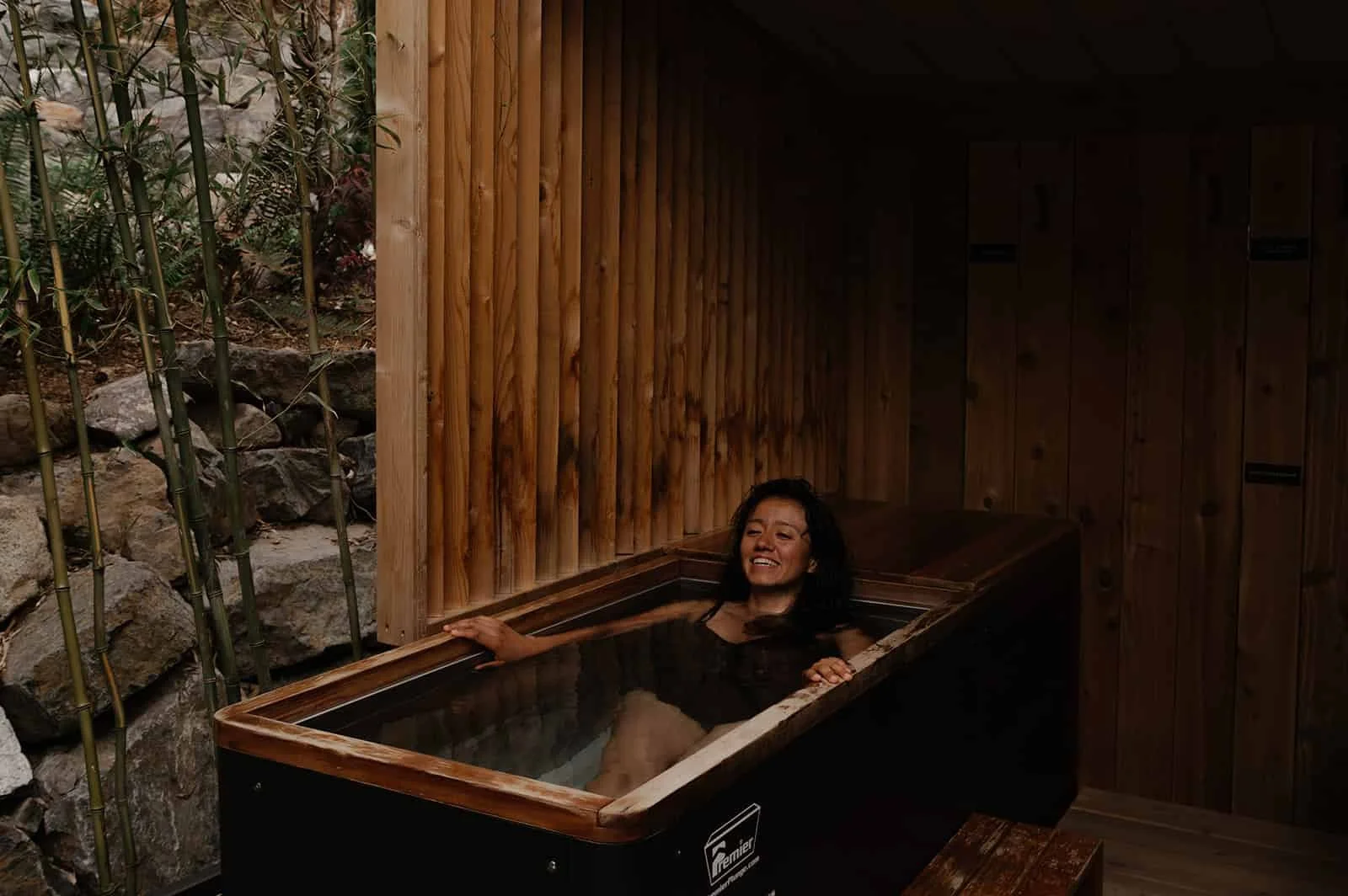
Research suggests that water between 11 and 15 degrees Celsius produces meaningful physiological benefits while remaining more tolerable than near-freezing temperatures. The Mist transition tub offers exactly this: enough contrast to prompt the body's response without requiring extreme cold as the entry point. For those newer to cold immersion, starting there rather than the cold plunge is a reasonable and well-supported approach.
Why Setting Shapes the Outcome
The physiological findings on contrast therapy are real and well-documented in clinical settings. A controlled indoor environment produces measurable results. A coastal Douglas fir forest produces something different, and the difference is not decorative, as highlighted in our post about forest bathing.
At Mist, guests arrive having already crossed the water on the ferry from Horseshoe Bay. That 20-minute crossing creates a priming period that most people notice without being able to name: the city recedes, the pace of thought changes, and the body begins adjusting before the sauna is entered.By the time a guest moves through our eucalyptus shower and into the wood-fired sauna, the forest has already been doing its work.
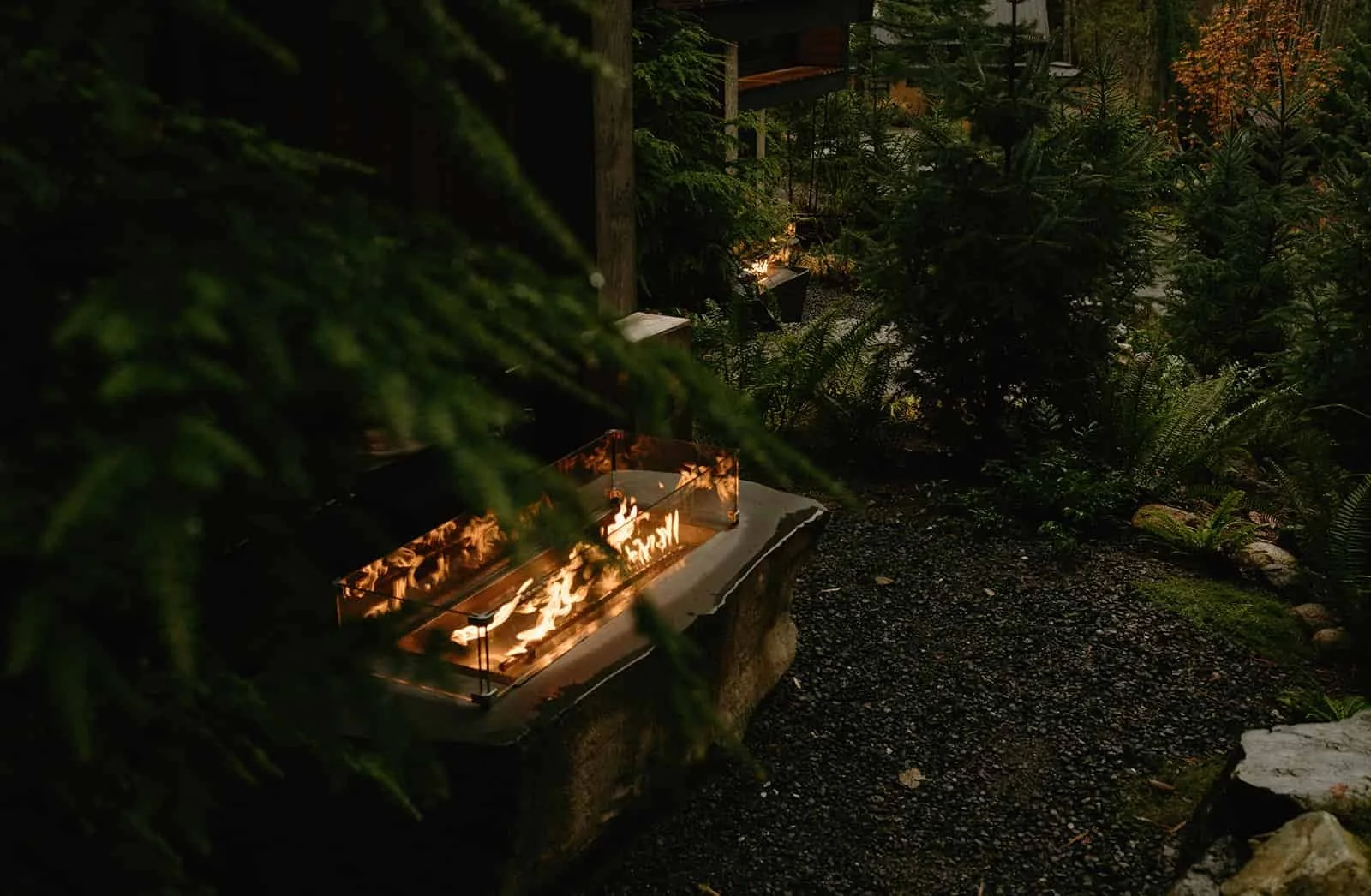
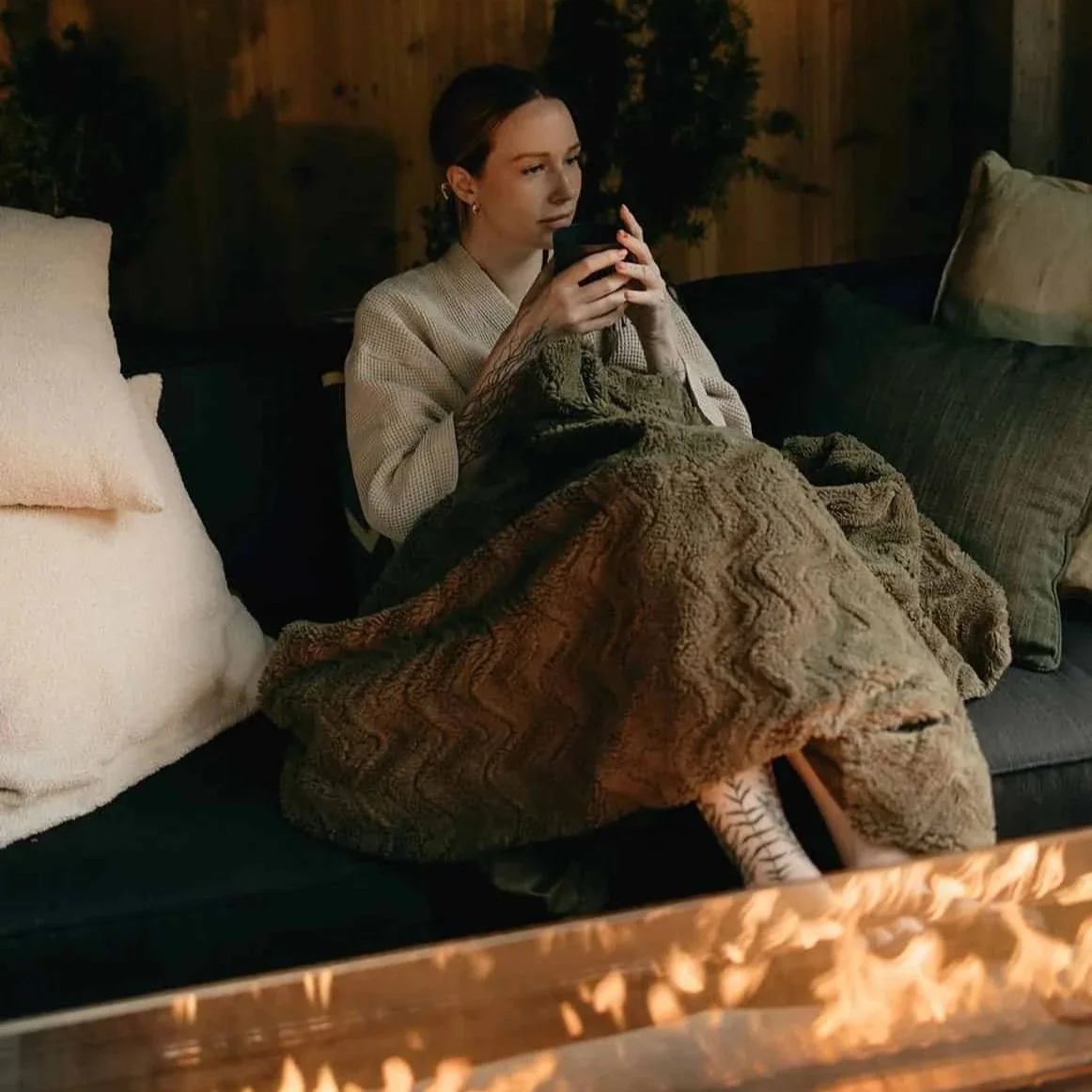
Time in the sauna with views of the surrounding conifers, followed by cold immersion, then rest by the outdoor fire with tea from the private tea bar, these elements are not atmosphere alone. They are active participants in making Mist Thermal special. Research has documented associations between nature immersion and reduced cortisol, improved attention restoration, and changes in nervous system baseline. Studies on each practice suggest the two modalities may reinforce each other when combined, producing effects that neither consistently generates in isolation.
How to Use Contrast Therapy for Sleep and Mood at Mist
A 90 or 120 minute Mist Circuit moves through the full sequence of the outdoor eucalyptus shower, wood-fired sauna with optional botanical aromatics, cold plunge and transition tub, and rest by the outdoor fire with the forest on all sides, repeated at your own pace.
To support a restful night, booking your session in the late afternoon or early evening gives the body time to move through its post-session cooling before you are ready to sleep. For mood regulation and nervous system reset, timing matters less than the quality of attention you bring to the circuit.
A simple guide to the circuit sequence to support sleep:
Begin with 5 minutes in the outdoor eucalyptus shower, moving between warm and cool.
Spend 10 to 15 minutes in the wood-fired sauna. Breathe slowly. Let the heat move through the body at its own pace.
Follow with 1 to 3 minutes in the cold plunge. If you are newer to cold immersion, the transition tub offers a milder contrast to start.
Rest by the outdoor fire for 15 minutes. Sip tea. Allow the body to regulate before the next round.
Repeat the cycle two or three times, following what your body tells you rather than a fixed number.
Hydrate throughout. End on cold if promoting evening restfulness is the goal. End on rest if mood regulation is the priority.
If you’re looking to learn deep breathing exercises for sleep, we also recommend checking out Nectar At Home, an online platform that includes yoga, breath, and meditation practices that support sleep, vitality, and well-being.
Note: If you are pregnant, in perimenopause, living with a medical condition, or taking medication, speak with your healthcare provider before beginning. Thermal practices affect people differently depending on health history and life stage.Too relaxed to leave Bowen Island?
Too relaxed to leave Bowen Island?
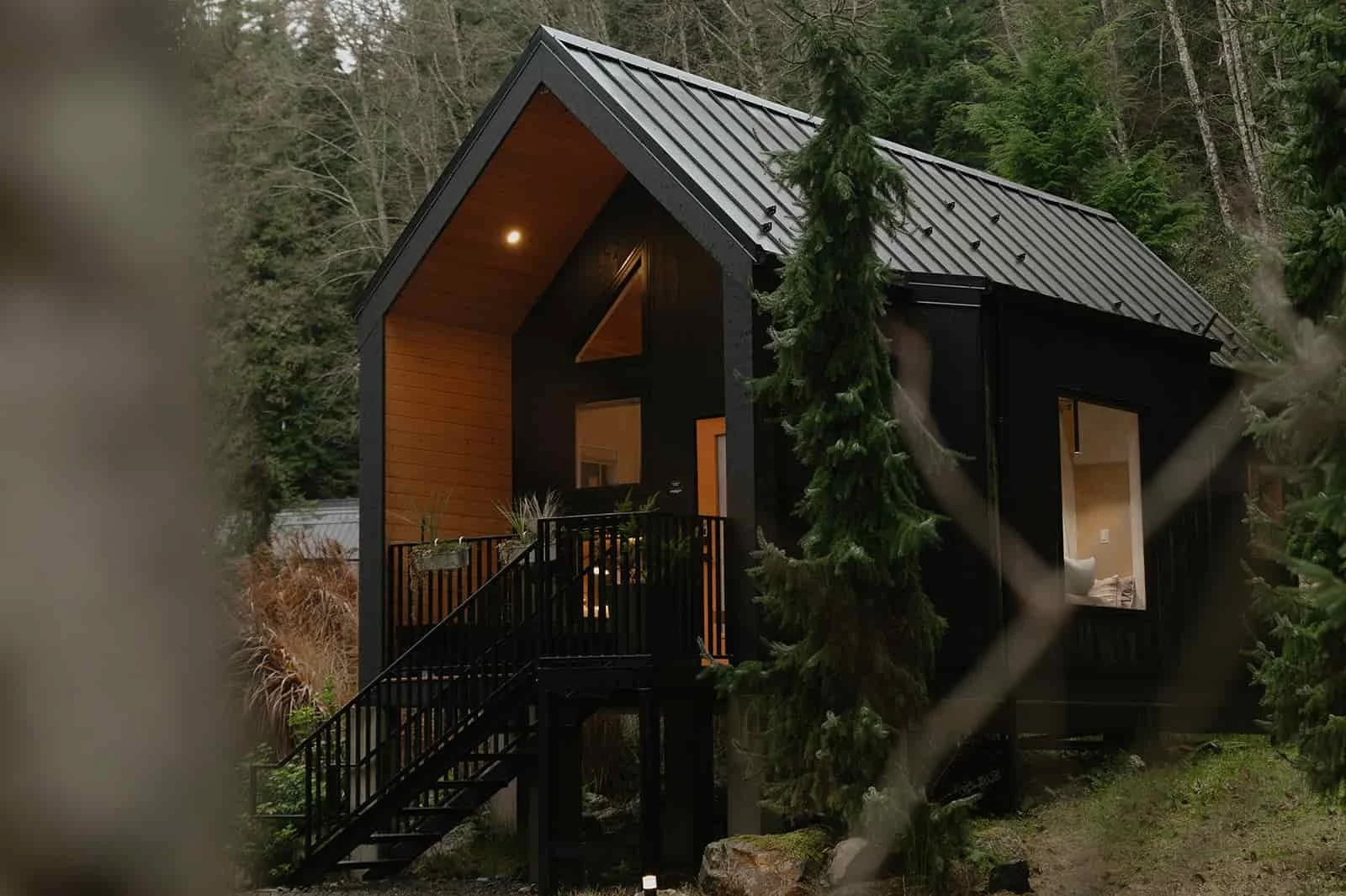
Nectar Yoga Retreat sits right next door, and their British Columbia vacation packages include two nights in Scandinavian-inspired forest cottages and A-frames, vegetarian breakfasts, and daily yoga and meditation led by experienced practitioners. Mentioned by Conde Nast Traveller and the New York Times, Nectar is the natural extension of a Mist circuit, for those who want to stay in the forest a little longer.
Planning A Day Trip to Bowen?
If you are planning a visit and want to know more about the island before you arrive, our guide to the best things to do on Bowen Island covers everything worth knowing. And if you are comparing sauna and cold plunge options near Vancouver, our guide to choosing a thermal spa covers the questions worth asking before you book.
References
https://www.frontiersin.org/journals/neuroscience/articles/10.3389/fnins.2019.00336/full
https://www.sciencedirect.com/science/article/abs/pii/S1087079218301552
https://pubmed.ncbi.nlm.nih.gov/10751106/
https://www.foundmyfitness.com/topics/cold-exposure-therapy
https://link.springer.com/article/10.1007/s00484-019-01717-x
https://www.foundmyfitness.com/topics/cold-exposure-therapy
https://www.frontiersin.org/journals/physiology/articles/10.3389/fphys.2025.1525726/full
Disclaimer
This post is for informational purposes only and should not be taken as medical advice. Cold-water immersion and thermal practices can affect people differently depending on their health, medications, and life stage. If you are pregnant, in perimenopause, living with a medical condition, or taking medication, speak with your healthcare provider before beginning. Participation in cold plunging, sauna, or other thermal practices is a personal choice and carries its own risks.